
Stain vs Paint: Which Is Better for a Wood Fence or Deck?
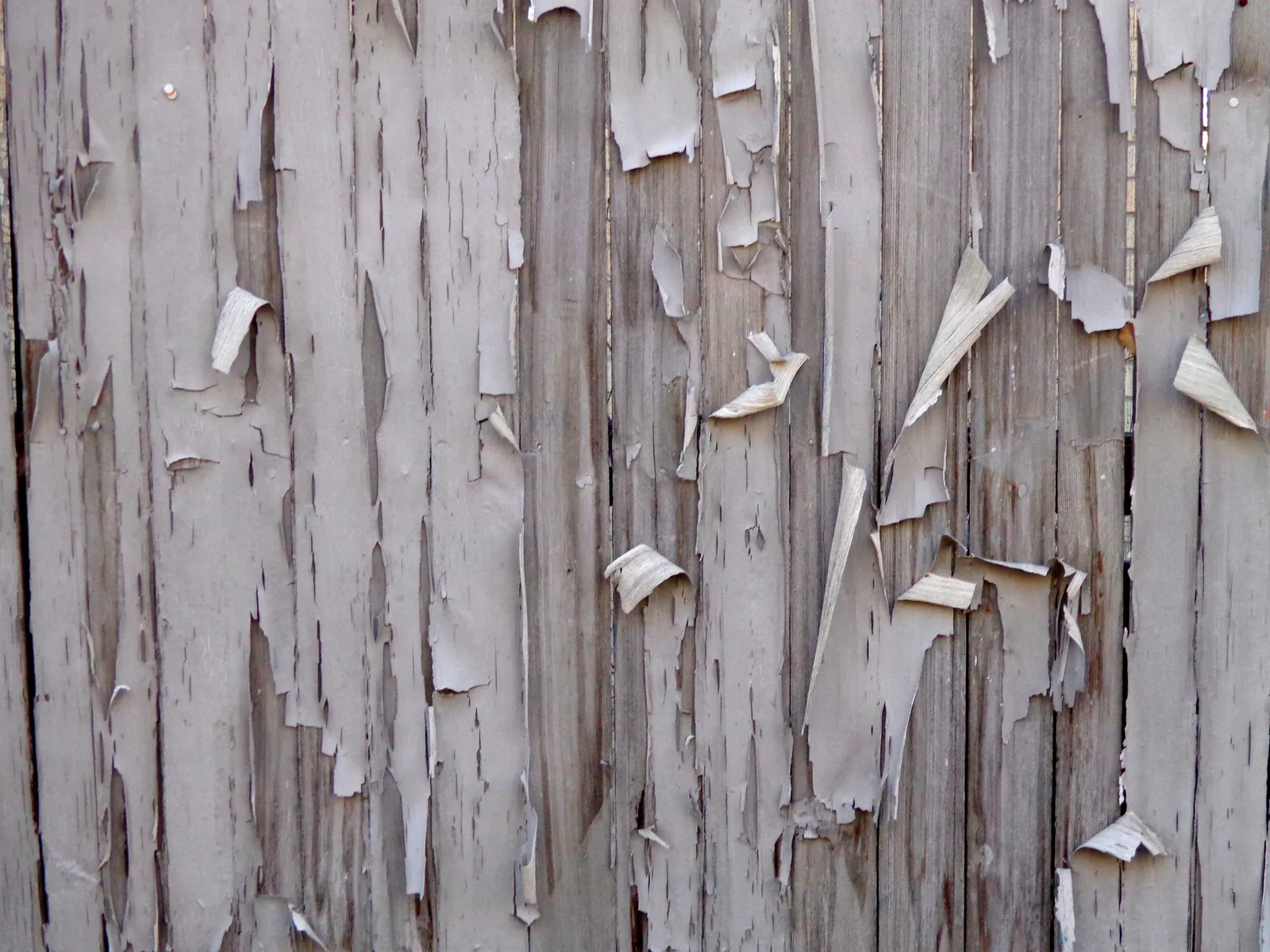
On deck boards, a penetrating stain is the better pick. The USDA Forest Products Laboratory says penetrating finishes, not film-forming finishes such as paint, should be used on wood decks. On a fence, paint can work, and it offers more colors and full cover. The catch is how a paint film fails: it can crack and peel as the wood swells and shrinks.
Paint is also hard to undo. The lab says old paint films should be completely removed before stain goes on. A penetrating stain wears away instead of peeling, and the wood needs no scraping before the next coat. If you want the grain to show and easier recoats, fence staining is the better fit.
How do stain and paint compare?
Each finish has its place. Paint wins on color and cover, and a penetrating stain wins on easy recoats.
| Penetrating stain | Paint | |
|---|---|---|
| How it fails | Wears away, with no film to blister or peel (USDA lab) | Can crack and peel as the wood swells and shrinks (USDA lab) |
| Prep before the next coat | No scraping needed (USDA lab) | Loose or flaking finish comes off, and peeled spots get sanded and primed (USDA lab) |
| The look | Much of the wood grain shows through (USDA lab) | Solid color that covers the wood (national cost guide) |
| Color choice | More limited (paint store’s guide) | Wider (paint store’s guide) |
| Time between coats, one guide’s rule of thumb | About 3 to 4 years (national cost guide) | About 5 to 6 years (national cost guide) |
| Fence boards | Fits, and easy to maintain (USDA lab) | Can work, since fences are the easiest spot for a finish (paint store’s guide) |
| Deck boards | Recommended (USDA lab) | Not recommended (USDA lab) |
| Deck railings | Fits (USDA lab) | May perform quite well (USDA lab) |
Where does paint come out ahead?
Paint gives you more colors. A paint store’s guide says most makers offer more limited color selections for stains than for exterior house paints. A national cost guide adds that paint may give you different colors or finishes.
Paint also hides more. The lab says latex solid-color stains do not have the hiding power of a true paint. Over boards that are part bare and part painted, a solid stain may let those differences show through.
Railings are paint’s best spot on a deck. The lab’s deck guide says paints and solid-color stains may perform quite well on the railings. A railing does not need a deck floor’s wear resistance, and it can be designed to avoid trapping moisture.
Why does paint peel on a fence or deck?
Wood moves with water. The lab says wood swells and shrinks as it gets wet from liquid water and then dries. A large share of finish failure, including peeling and cracking, comes from those moisture changes, it says.
A film has a harder time with that movement. The lab’s 1999 stain report says a penetrating finish allows the wood to breathe and does not peel. Its deck guide says paints and solid-color stains are prone to trap moisture and fail by peeling.
Deck boards have it worst. A paint store’s guide calls horizontal surfaces such as decking the most demanding place for a finish. It calls vertical surfaces such as fences the least demanding. The lab adds that a film on a deck gets excessive wear, especially in high-traffic areas.
How often does each finish need a new coat?
Paint can go longer between coats. One national cost guide says stain lasts about 3 to 4 years, while paint lasts 5 to 6. A second cost guide says stain needs a new coat every two to three years. It says paint can last as long as 10.
The bigger difference is the work before each coat. With a penetrating stain, the lab says the wood does not need to be scraped before refinishing. Painted wood needs all loose or flaking finish removed first, and peeled spots get sanded and primed. On decks, the lab’s guide says a penetrating finish is easier to reapply than a film-forming finish.
So paint trades fewer coats for harder ones, and stain asks for more coats with less work before each. These guide numbers are rules of thumb, not a promise for any one fence or deck.
Timing matters with either finish. The lab’s deck guide says most decks are retired because of cracks and checks. It says timely finishing could have avoided most of them.
What about solid stain?
Solid stain sits between the two. A paint store’s guide says it is thinner than paint, so the grain and texture of the wood still show. The lab groups it with paint as a film finish, and says not to use it on decks and fences. Our solid vs semi-transparent stain guide covers that choice.
Does stain or paint cost more?
National cost guides put the two close together. One says painting and staining a fence tend to cost the same, $2.25 to $10 per linear foot. It says that doubles for most fences, since both sides need coverage. Wood that needs primer before paint can add to the cost, the same guide notes.
A second cost guide says stain costs a bit more than paint, since wood soaks up more of it. These are market numbers from national cost guides, not our price list. For stain prices closer to home, see our fence staining cost guide.
What do San Antonio sun and heat mean for the choice?
San Antonio averages 122 days a year at 90 degrees or hotter, per NOAA climate normals. Eighteen of those days reach 100 degrees or more. A paint store’s guide calls the sun and moisture the two biggest enemies of an exterior finish. The more exposure a finish gets, it says, the shorter its life.
Stain answers the sun with pigment. The lab says pigment greatly increases a stain’s durability by protecting the wood surface from sunlight. When a penetrating stain wears thin, the wood needs no scraping before the next coat. A paint film that has cracked or peeled needs the loose parts removed first.
Should you paint or stain your fence or deck?
For deck boards, pick a penetrating stain, as the lab advises. For railings, paint or solid-color stain may do well. For fence boards, either can work, and a penetrating stain keeps the grain with less prep between coats.
We are based in San Antonio and stain wood fences and decks across the San Antonio to Austin corridor. Each job starts with deck and fence cleaning. The stain goes on once the wood has dried all the way through. Deck staining can go on the same estimate as a fence.
Estimates for our fence staining service are free, with financing on larger projects. At the estimate, we tell you whether your wood can take stain as it stands. Call or text (512) 905-8038 to set one up.